
Top 10 Exotic Birds You Can Buy: A Guide to Colorful Companions for Your Home
Are you ready to brighten your home with vibrant feathers and melodious songs? Exotic birds make for stunning companions that not only elevate your living space but also add a unique flair to your everyday life. Imagine the joy of coming home to a lively creature that showcases a spectrum of colors and a variety of charming personalities. From the affectionate budgerigar to the eye-catching macaw, there’s a perfect avian friend waiting for you. In this guide, we’ll explore the top 10 exotic birds you can buy, helping you choose the colorful companion that best fits your lifestyle. Whether you’re a seasoned bird owner or a curious newcomer, this curated list will provide insights into the fascinating world of these feathered friends, ensuring you find a delightful addition to your home. Get ready to discover your next best friend in the sky!
Benefits of Owning Exotic Birds
Owning an exotic bird is like having a piece of the wild right in your living room. These vibrant creatures are not just visually stunning but also bring a sense of energy and liveliness to your home. One of the significant benefits of having an exotic bird is their ability to form strong bonds with their human companions. These birds often exhibit affectionate behaviors such as perching on your shoulder, mimicking your words, or even engaging in playful antics. This companionship can be incredibly rewarding, offering emotional support and a sense of fulfillment.
Another advantage is the aesthetic appeal that exotic birds bring. With their striking plumage and varied colors, they can transform a mundane space into a lively, tropical haven. Imagine the delightful sight of a bright red Scarlet Macaw or the elegant blues of a Hyacinth Macaw perched in your living room. These birds are not just pets; they are living art, adding an element of natural beauty to your home decor. Their presence can also be a great conversation starter when you have guests over, making your home more welcoming and interesting.
Moreover, owning an exotic bird can also enhance your mental well-being. The responsibility of caring for a bird can provide a sense of purpose, and their cheerful disposition can be a great mood lifter. The melodic songs and chirps of birds like the canary can create a soothing ambiance, reducing stress and anxiety. Spending time interacting with your bird, teaching it tricks, or simply enjoying its company can be a wonderful way to relax and unwind after a long day.
Factors to Consider Before Getting an Exotic Bird
Before bringing an exotic bird into your home, it’s essential to consider several factors to ensure that both you and the bird will have a happy and healthy life together. One of the primary considerations is the bird’s lifespan. Many exotic birds have long lifespans, sometimes living for several decades. For instance, African Grey Parrots can live up to 60 years, and Macaws can live for 50 years or more. This long-term commitment requires careful planning and consideration of your future lifestyle and circumstances.
Another crucial factor is the bird’s space requirements. Exotic birds need adequate space to fly, play, and exercise. While smaller birds like budgerigars and canaries can thrive in roomy cages, larger birds like macaws and cockatoos require much larger enclosures or even dedicated bird rooms. Ensuring that you have enough space in your home to accommodate your bird’s needs is vital for its physical and mental well-being. Additionally, birds require a variety of toys and enrichment activities to keep them stimulated and prevent boredom.
The noise level is also an important aspect to consider. Exotic birds can be quite vocal, and some species are known for their loud calls and mimicry. For example, cockatoos and macaws can produce high-decibel sounds that may not be suitable for apartment living or close-knit neighborhoods. It’s essential to understand the vocal tendencies of the bird species you are considering and assess whether it fits your living situation. Ensuring you’re comfortable with the potential noise levels will help you avoid future frustrations and ensure a harmonious living environment.
Top 10 Exotic Birds to Consider
1. Budgerigar (Budgie)
Budgerigars, commonly known as budgies, are one of the most popular pet birds due to their small size, vibrant colors, and friendly nature. These little birds are native to Australia and come in a variety of color mutations, including green, blue, yellow, and white. Budgies are known for their playful personalities and can be quite affectionate with their owners. They are also relatively easy to care for, making them an excellent choice for beginners.
Budgies are highly social and enjoy interacting with their human companions. They can learn to mimic speech and perform tricks, which adds to their charm. Despite their small size, they have big personalities and can be quite entertaining. Providing them with a variety of toys and perches can help keep them mentally stimulated and happy.
In terms of care, budgies require a spacious cage with plenty of room to fly and play. They also need a balanced diet consisting of seeds, fresh fruits, and vegetables. Regular interaction and socialization are crucial to prevent boredom and ensure their well-being. With proper care, budgies can live up to 15 years, making them a delightful long-term companion
2. Cockatiel
Cockatiels are another popular choice for pet bird owners, known for their friendly and gentle nature. These birds are native to Australia and are characterized by their distinctive crest and bright yellow faces. Cockatiels come in various color mutations, including grey, white, and yellow. They are known for their whistling abilities and can learn to mimic simple tunes and sounds.
Cockatiels are social birds that thrive on interaction with their human companions. They enjoy being petted and can form strong bonds with their owners. Their playful and curious nature makes them a joy to have around. Providing them with a variety of toys and opportunities for out-of-cage time can help keep them happy and healthy.
In terms of care, cockatiels need a spacious cage with plenty of perches and toys to keep them entertained. They also require a balanced diet consisting of seeds, pellets, fresh fruits, and vegetables. Regular grooming, including nail trimming and beak care, is essential to maintain their health. With proper care, cockatiels can live up to 20 years, making them a long-term and affectionate companion.
3. African Grey Parrot
African Grey Parrots are renowned for their exceptional intelligence and impressive mimicry skills. These medium-sized parrots are native to the rainforests of West and Central Africa and are characterized by their grey plumage and striking red tails. African Greys are highly social birds that require a lot of mental stimulation and interaction to thrive.
One of the most remarkable traits of African Grey Parrots is their ability to mimic human speech and sounds with incredible accuracy. They can develop extensive vocabularies and are known for their problem-solving abilities. Their intelligence and social nature make them highly engaging pets, but they also require a significant amount of attention and care.
In terms of care, African Grey Parrots need a large cage with plenty of space to move around and play. They require a diet consisting of pellets, fresh fruits, vegetables, and occasional nuts. Providing them with a variety of toys and puzzles is essential to keep their minds stimulated. Regular socialization and mental enrichment are crucial to prevent boredom and behavioral issues. With proper care, African Grey Parrots can live up to 60 years, making them a long-term commitment.
4. Macaw
Macaws are among the most striking and colorful exotic birds, known for their large size and vibrant plumage. These birds are native to Central and South America and come in various species, including the Blue and Gold Macaw, Scarlet Macaw, and Hyacinth Macaw. Macaws are highly social and intelligent birds that require a lot of space and attention.
Macaws are known for their playful and outgoing personalities. They can form strong bonds with their human companions and enjoy engaging in interactive play and training. Their impressive vocal abilities and mimicry skills make them highly entertaining pets. However, their large size and high energy levels require a significant amount of space and mental stimulation.
In terms of care, macaws need a very large cage or aviary with plenty of room to fly and play. They require a diet consisting of pellets, fresh fruits, vegetables, and occasional nuts. Providing them with a variety of toys, perches, and enrichment activities is essential to keep them mentally and physically stimulated. Regular socialization and training are crucial to prevent behavioral issues. With proper care, macaws can live up to 50 years or more, making them a long-term and rewarding companion.
5. Cockatoo
Cockatoos are known for their striking crests and affectionate nature. These birds are native to Australia and Southeast Asia and come in various species, including the Umbrella Cockatoo, Sulphur-Crested Cockatoo, and Moluccan Cockatoo. Cockatoos are highly social and intelligent birds that require a lot of attention and interaction.
Cockatoos are known for their playful and cuddly personalities. They enjoy being petted and can form strong bonds with their human companions. Their vocal abilities and mimicry skills make them highly entertaining pets. However, their high energy levels and need for attention require a significant amount of time and commitment.
In terms of care, cockatoos need a large cage with plenty of space to move around and play. They require a diet consisting of pellets, fresh fruits, vegetables, and occasional nuts. Providing them with a variety of toys, perches, and enrichment activities is essential to keep them mentally and physically stimulated. Regular socialization and training are crucial to prevent behavioral issues. With proper care, cockatoos can live up to 70 years, making them a long-term and affectionate companion.
6. Lovebird
Lovebirds are small, colorful parrots known for their affectionate nature and strong pair bonds. These birds are native to Africa and come in various species, including the Peach-Faced Lovebird, Fischer’s Lovebird, and Masked Lovebird. Lovebirds are highly social and enjoy interacting with their human companions.
Lovebirds are known for their playful and curious personalities. They enjoy engaging in interactive play and can form strong bonds with their owners. Their small size and vibrant colors make them an attractive addition to any home. Providing them with a variety of toys and opportunities for out-of-cage time can help keep them happy and healthy.
In terms of care, lovebirds need a spacious cage with plenty of perches and toys to keep them entertained. They require a balanced diet consisting of seeds, pellets, fresh fruits, and vegetables. Regular grooming, including nail trimming and beak care, is essential to maintain their health. With proper care, lovebirds can live up to 15 years, making them a long-term and affectionate companion.
7. Conure
Conures are small to medium-sized parrots known for their playful and energetic personalities. These birds are native to Central and South America and come in various species, including the Green-Cheeked Conure, Sun Conure, and Jenday Conure. Conures are highly social and enjoy interacting with their human companions.
Conures are known for their playful and curious nature. They enjoy engaging in interactive play and can form strong bonds with their owners. Their vibrant colors and vocal abilities make them highly entertaining pets. Providing them with a variety of toys and opportunities for out-of-cage time can help keep them happy and healthy.
In terms of care, conures need a spacious cage with plenty of perches and toys to keep them entertained. They require a balanced diet consisting of pellets, fresh fruits, and vegetables. Regular grooming, including nail trimming and beak care, is essential to maintain their health. With proper care, conures can live up to 30 years, making them a long-term and affectionate companion.
8. Eclectus Parrot
Eclectus Parrots are known for their striking sexual dimorphism, with males and females displaying distinctly different colors. These birds are native to the Solomon Islands, New Guinea, and nearby islands. Male Eclectus Parrots are typically bright green, while females are usually red and purple. They are known for their calm and gentle nature, making them excellent pets.
Eclectus Parrots are highly social and enjoy interacting with their human companions. They are known for their talking abilities and can develop extensive vocabularies. Their calm and gentle nature makes them suitable for families with children. Providing them with a variety of toys and opportunities for out-of-cage time can help keep them happy and healthy.
In terms of care, Eclectus Parrots need a spacious cage with plenty of perches and toys to keep them entertained. They require a diet consisting of fresh fruits, vegetables, and pellets. Regular grooming, including nail trimming and beak care, is essential to maintain their health. With proper care, Eclectus Parrots can live up to 30 years, making them a long-term and affectionate companion.
9. Amazon Parrot
Amazon Parrots are medium to large-sized parrots known for their vibrant colors and talking abilities. These birds are native to the Amazon Basin in South America and come in various species, including the Blue-Fronted Amazon, Yellow-Naped Amazon, and Double Yellow-Headed Amazon. Amazon Parrots are highly social and enjoy interacting with their human companions.
Amazon Parrots are known for their playful and outgoing personalities. They enjoy engaging in interactive play and can form strong bonds with their owners. Their impressive vocal abilities and mimicry skills make them highly entertaining pets. Providing them with a variety of toys and opportunities for out-of-cage time can help keep them happy and healthy.
In terms of care, Amazon Parrots need a large cage with plenty of space to move around and play. They require a diet consisting of pellets, fresh fruits, vegetables, and occasional nuts. Providing them with a variety of toys, perches, and enrichment activities is essential to keep them mentally and physically stimulated. Regular socialization and training are crucial to prevent behavioral issues. With proper care, Amazon Parrots can live up to 50 years, making them a long-term and rewarding companion.
10. Canary
Canaries are small, colorful songbirds known for their beautiful melodies. These birds are native to the Canary Islands, Madeira, and the Azores. Canaries come in various colors, including yellow, orange, and red. They are known for their singing abilities and can brighten up any home with their cheerful songs.
Canaries are relatively low-maintenance birds that can thrive in a variety of environments. They do not require as much social interaction as some other bird species, making them suitable for individuals with busy lifestyles. However, they still enjoy interaction with their owners and can be quite charming and engaging.
In terms of care, canaries need a spacious cage with plenty of perches and toys to keep them entertained. They require a balanced diet consisting of seeds, fresh fruits, and vegetables. Providing them with opportunities for exercise and mental stimulation is essential to keep them healthy and happy. With proper care, canaries can live up to 10 years, making them a delightful and long-term companion.
Care Requirements for Exotic Birds
Caring for exotic birds requires a commitment to meeting their physical, mental, and emotional needs. One of the primary care requirements is providing a suitable living environment. Exotic birds need spacious cages or aviaries that allow them to move around, stretch their wings, and engage in natural behaviors. The cage should be equipped with a variety of perches, toys, and enrichment activities to keep the bird stimulated and prevent boredom.
Another essential aspect of care is maintaining proper hygiene. Regular cleaning of the cage, perches, and food and water dishes is crucial to prevent the buildup of bacteria and parasites. Birds are sensitive to environmental toxins, so it’s important to use bird-safe cleaning products and avoid exposing them to harmful substances such as cigarette smoke, aerosol sprays, and non-stick cookware fumes.
Socialization and interaction are also vital for the well-being of exotic birds. These highly social creatures thrive on interaction with their human companions and other birds. Regular out-of-cage time, play sessions, and training activities can help keep them mentally stimulated and emotionally fulfilled. Building a strong bond with your bird through positive reinforcement and gentle handling can enhance the relationship and ensure a happy and healthy pet.
Dietary Needs of Exotic Birds
Proper nutrition is essential for the health and longevity of exotic birds. A balanced diet should include a variety of foods to meet their nutritional needs. Seeds and pellets are a common staple in many bird diets, but they should be supplemented with fresh fruits, vegetables, and occasional nuts. Providing a diverse diet can help prevent nutritional deficiencies and promote overall health.
It’s important to research the specific dietary requirements of the bird species you own, as different birds have different nutritional needs. For example, Eclectus Parrots require a higher intake of fresh fruits and vegetables compared to other parrot species. Ensuring that your bird’s diet is tailored to its specific needs is crucial for its well-being.
In addition to providing a balanced diet, it’s also essential to offer clean and fresh water daily. Birds can be sensitive to water quality, so it’s important to regularly clean and refill their water dishes. Providing calcium supplements, such as cuttlebone or mineral blocks, can also help support your bird’s health, especially during periods of growth or egg-laying.
Socialization and Interaction with Your Exotic Bird
Socialization and interaction are crucial for the well-being of exotic birds. These highly social creatures thrive on interaction with their human companions and other birds. Regular out-of-cage time, play sessions, and training activities can help keep them mentally stimulated and emotionally fulfilled. Building a strong bond with your bird through positive reinforcement and gentle handling can enhance the relationship and ensure a happy and healthy pet.
Training your bird can be a rewarding experience for both you and your feathered friend. Positive reinforcement techniques, such as offering treats and praise, can help teach your bird new tricks and behaviors. Training sessions can also be a great way to provide mental stimulation and prevent boredom. Consistency and patience are key to successful training, and it’s important to keep sessions short and enjoyable for your bird.
In addition to training, providing your bird with opportunities for socialization is essential. Birds are naturally social animals and can benefit from interacting with other birds. If you have a single bird, consider providing it with plenty of toys and enrichment activities to keep it mentally stimulated. If you have multiple birds, ensure that they have enough space to interact and establish their social hierarchy. Regular socialization and interaction can help prevent behavioral issues and ensure a happy and well-adjusted pet.
Common Health Issues in Exotic Birds
Exotic birds are susceptible to a variety of health issues, many of which can be prevented with proper care and attention. One common health problem is nutritional deficiencies, which can result from an imbalanced diet. Providing a diverse and balanced diet that meets your bird’s specific nutritional needs is crucial for preventing deficiencies and promoting overall health.
Another common health issue in exotic birds is respiratory infections. Birds have sensitive respiratory systems and can be affected by environmental factors such as poor air quality, exposure to toxins, and inadequate ventilation. Regular cleaning of the bird’s living environment, avoiding exposure to harmful substances, and ensuring proper ventilation can help prevent respiratory infections.
Feather plucking and behavioral issues are also common in exotic birds, often resulting from stress, boredom, or lack of socialization. Providing a stimulating environment with plenty of toys, perches, and opportunities for interaction can help prevent these issues. Regular veterinary check-ups and monitoring your bird’s behavior can help detect and address any health concerns early on.
Where to Buy Exotic Birds: Reputable Breeders vs. Pet Stores
When considering where to buy an exotic bird, it’s important to choose a reputable source to ensure the health and well-being of your new pet. Reputable breeders and pet stores can both be good options, but there are some key differences to consider.
Reputable breeders often have extensive knowledge and experience with the specific bird species they breed. They can provide valuable information about the bird’s care, behavior, and health history. Birds from reputable breeders are typically well-socialized and hand-raised, which can make them more comfortable with human interaction.
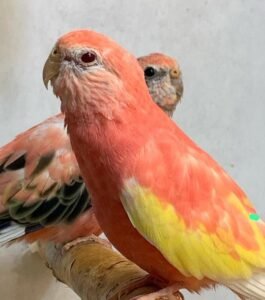
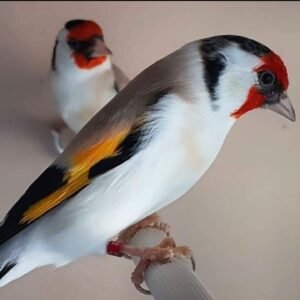
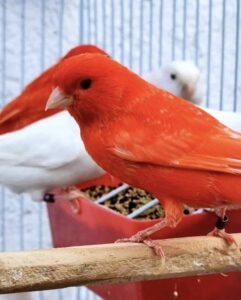
At Featherland Bird Breeders Hub, we provide:
Ethically raised birds
Healthy, well-socialized parrots
Beautiful canaries and finches
Expert guidance for new owners
👉 Visit our Birds for Sale page to find your perfect feathered companion!