Quaker Parrot (Monk Parakeet): Complete Guide, Care, Personality & Lifespan
The Quaker Parrot, also known as the Monk Parakeet (Myiopsitta monachus), is one of the most intelligent, social, and talkative parrot species kept as a pet. Native to South America, particularly Argentina, Brazil, Uruguay, and Bolivia, Quaker parrots have become popular worldwide due to their charming personality, strong bonding ability, and impressive speech skills.
Appearance and Colors
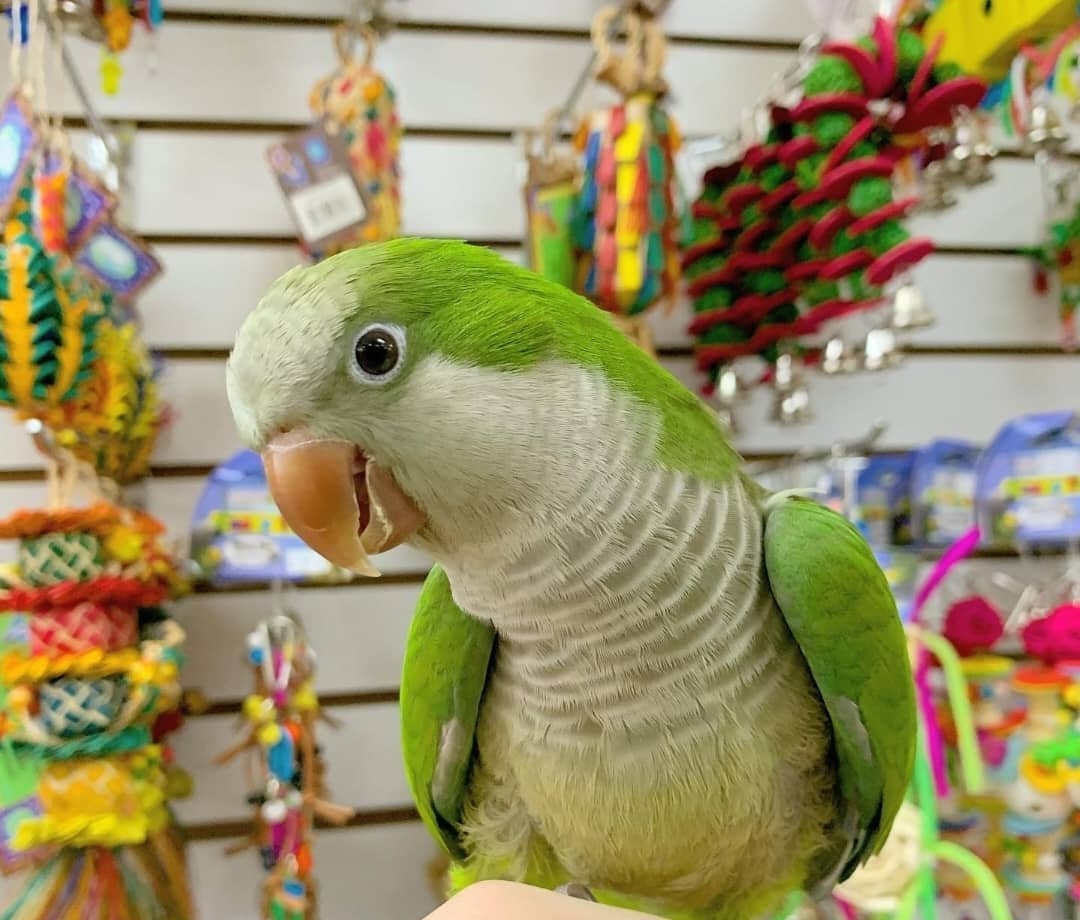
Quaker parrots are medium-sized parrots, typically measuring 11–12 inches in length. They are best known for their bright green body, grayish chest and face, and long tail feathers. Over the years, selective breeding has introduced stunning color mutations such as blue, yellow, albino, lutino, and cinnamon, making them even more attractive to bird enthusiasts.
Personality and Temperament
One of the biggest reasons Quaker parrots are so popular is their bold, playful, and affectionate personality. They are extremely social birds that thrive on interaction with their owners. When properly socialized, Quakers are loving, loyal, and enjoy cuddling, playing, and being involved in daily household activities.
Quaker parrots are also known for being confident and fearless, sometimes acting much bigger than their size. Because of this, early training and socialization are essential to prevent territorial behavior.
Intelligence and Talking Ability
Quaker parrots rank among the best talking parrot species. With consistent training, they can develop a large vocabulary, often speaking clearly and contextually. Many owners report their Quakers using words appropriately, greeting people, or responding to situations.
Their intelligence also means they require mental stimulation. Puzzle toys, foraging activities, and regular training sessions are essential to keep them happy and prevent boredom-related behaviors.
Lifespan and Health
With proper care, a Quaker parrot can live 20 to 30 years, and some even longer. Providing a balanced diet, a clean environment, and regular veterinary checkups is key to ensuring a long and healthy life.
Common health issues in Quaker parrots include:
-
Obesity (due to seed-heavy diets)
-
Feather plucking
-
Respiratory infections
-
Fatty liver disease
A diet rich in pellets, fresh vegetables, fruits, and limited seeds is highly recommended.
Diet and Nutrition
A healthy Quaker parrot diet should include:
-
High-quality pellets (60–70%)
-
Fresh vegetables such as leafy greens, carrots, peppers, and broccoli
-
Fruits in moderation like apples, berries, and mango
-
Occasional seeds and nuts as treats
Avoid feeding chocolate, caffeine, avocado, alcohol, and salty or sugary foods, as these can be toxic to parrots.
Housing and Cage Requirements
Quaker parrots are famous for their nest-building behavior, even in captivity. They love weaving sticks, toys, and materials into complex structures. A spacious cage with horizontal bars for climbing is essential.
Minimum cage size should be 24 x 24 x 24 inches, but larger is always better. Provide multiple perches, chew toys, and enrichment items to keep them physically active and mentally engaged.
Social Needs and Training
Quaker parrots require daily interaction to stay emotionally healthy. Without attention, they may become noisy, aggressive, or depressed. Positive reinforcement training works best, using treats and praise to encourage good behavior.
They respond well to:
-
Step-up training
-
Target training
-
Speech repetition
-
Clicker training
Are Quaker Parrots Good Pets?
Yes—Quaker parrots make excellent pets for owners who can dedicate time, patience, and attention. They are ideal for individuals or families looking for an interactive, intelligent companion bird. However, due to their vocal nature and need for stimulation, they may not be suitable for people seeking a low-maintenance pet.
Legal Considerations
In some regions and countries, Quaker parrots are restricted or regulated due to their ability to survive in the wild and form colonies. Always check local laws and regulations before purchasing or adopting a Quaker parrot.